
How to Choose the Right Welding Gloves: MIG vs TIG vs Stick
August 10, 2026 · 6 min read · By the Abeeha team
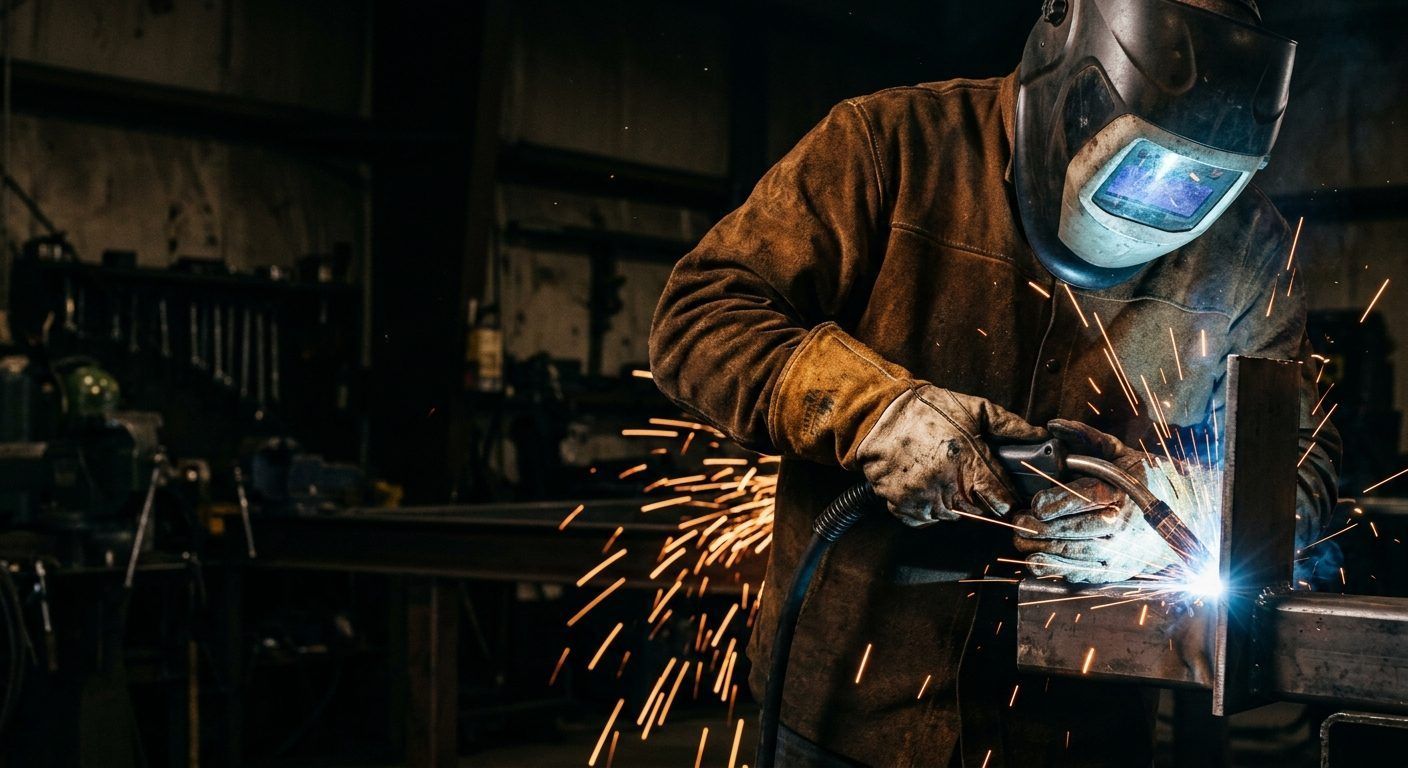
Buying welding gloves by price alone is the most expensive mistake a safety buyer can make. Each welding process transfers heat to the hands differently, and a glove matched to the wrong process either fails early or fatigues the welder into taking it off — which is worse.
MIG: spatter is the enemy
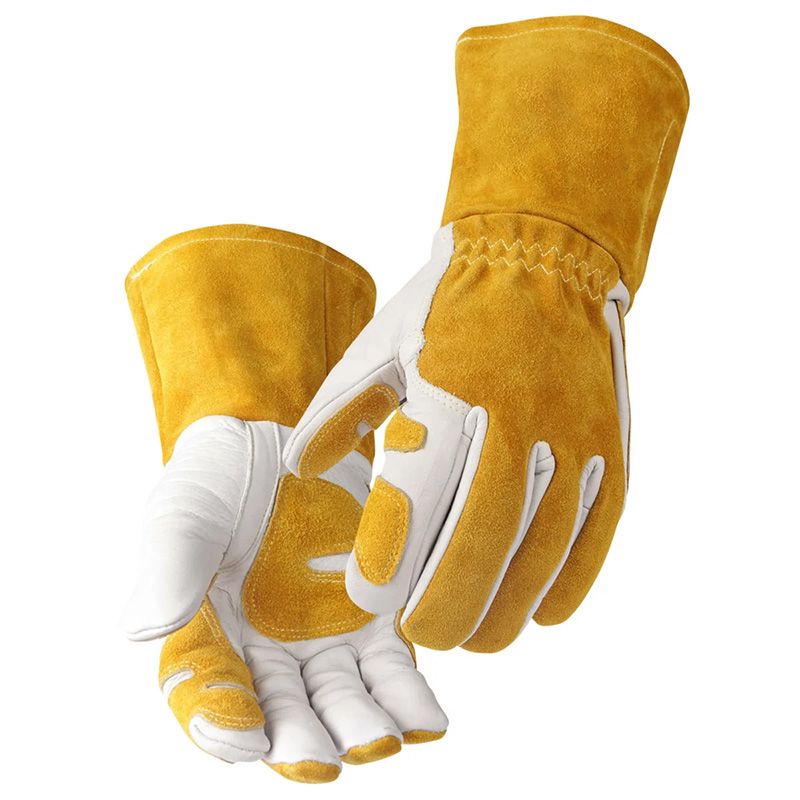
MIG welding throws constant spatter, so MIG gloves need a mid-weight cowhide shell that sheds molten droplets, a cotton lining for all-shift comfort, and an extended cuff to protect the forearm. Kevlar stitching is non-negotiable — cotton thread at the seams is where cheap gloves burn open first.
TIG: feel decides quality
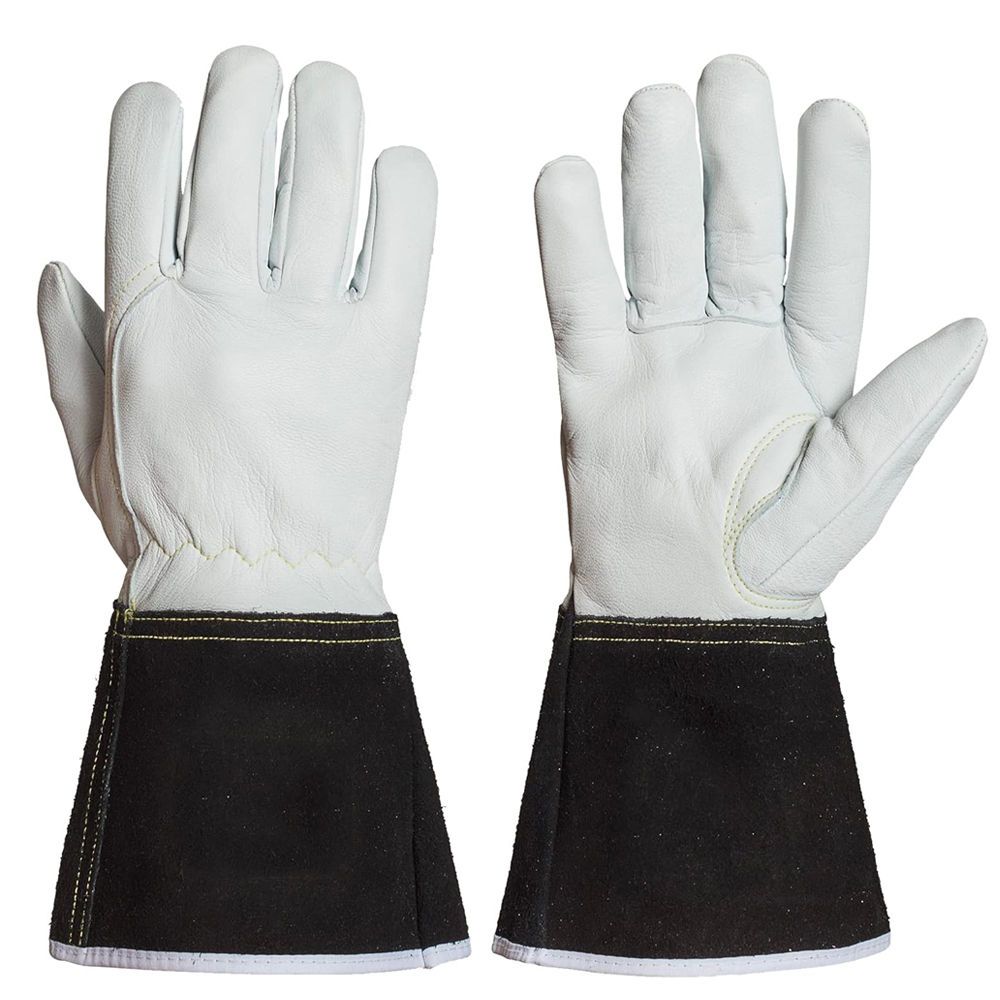
TIG is a precision process with relatively little spatter. The glove's job is to disappear: thin top-grain goatskin, seamless fingertips and a snug pattern give the welder filler-rod control. A TIG glove that's too thick doesn't protect better — it just gets left on the bench.
Stick: maximum heat, maximum leather
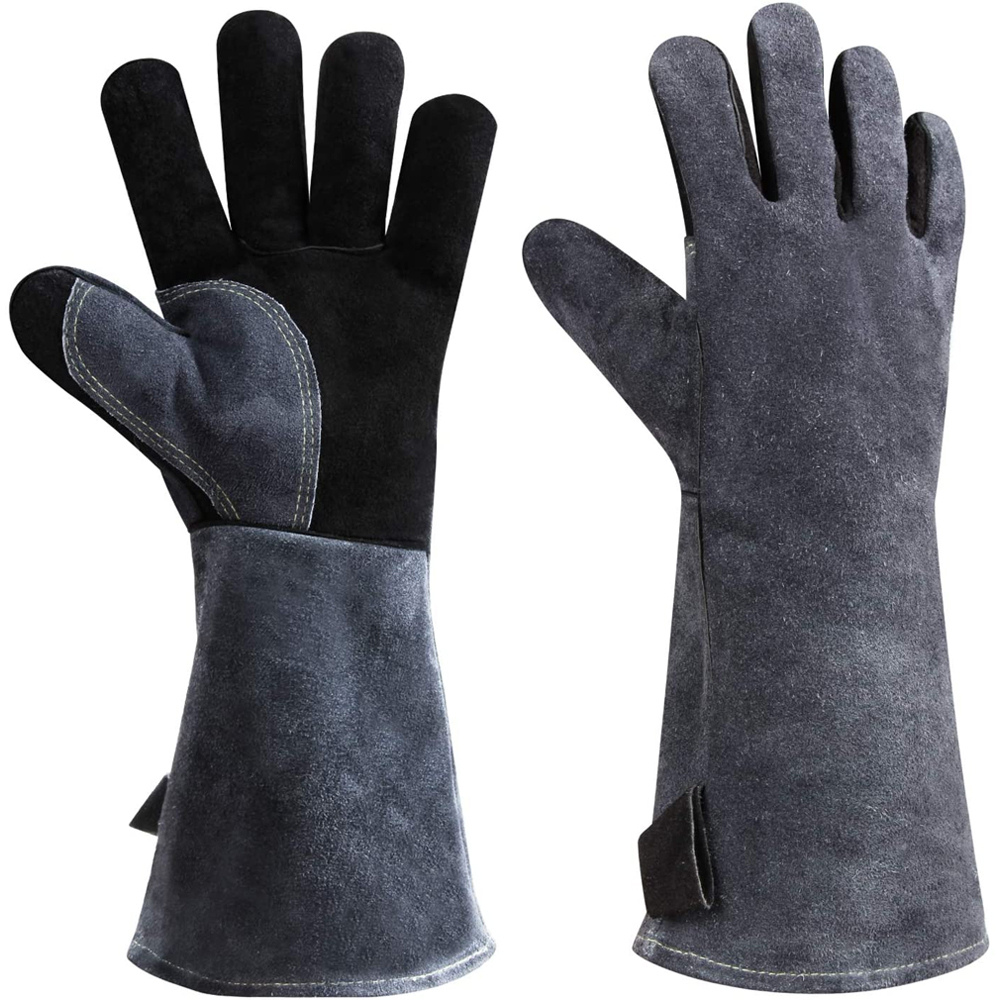
Stick welding at high amperage radiates serious heat. Here you want thick split cowhide, a full thermal lining, welted seams and a wing thumb. Dexterity matters less; insulation matters most.
The rule of thumb across all three: match the glove to the process, insist on Kevlar thread, and check the leather grade before checking the price. A glove that lasts three times longer at 40% more cost is the cheapest option on the table.
Sourcing this product for your brand?
We manufacture everything discussed in this article — bulk, OEM and private label. Get real pricing in one business day.