
FR Clothing Explained: Treated vs Inherent Flame Resistance
July 12, 2026 · 5 min read · By the Abeeha team
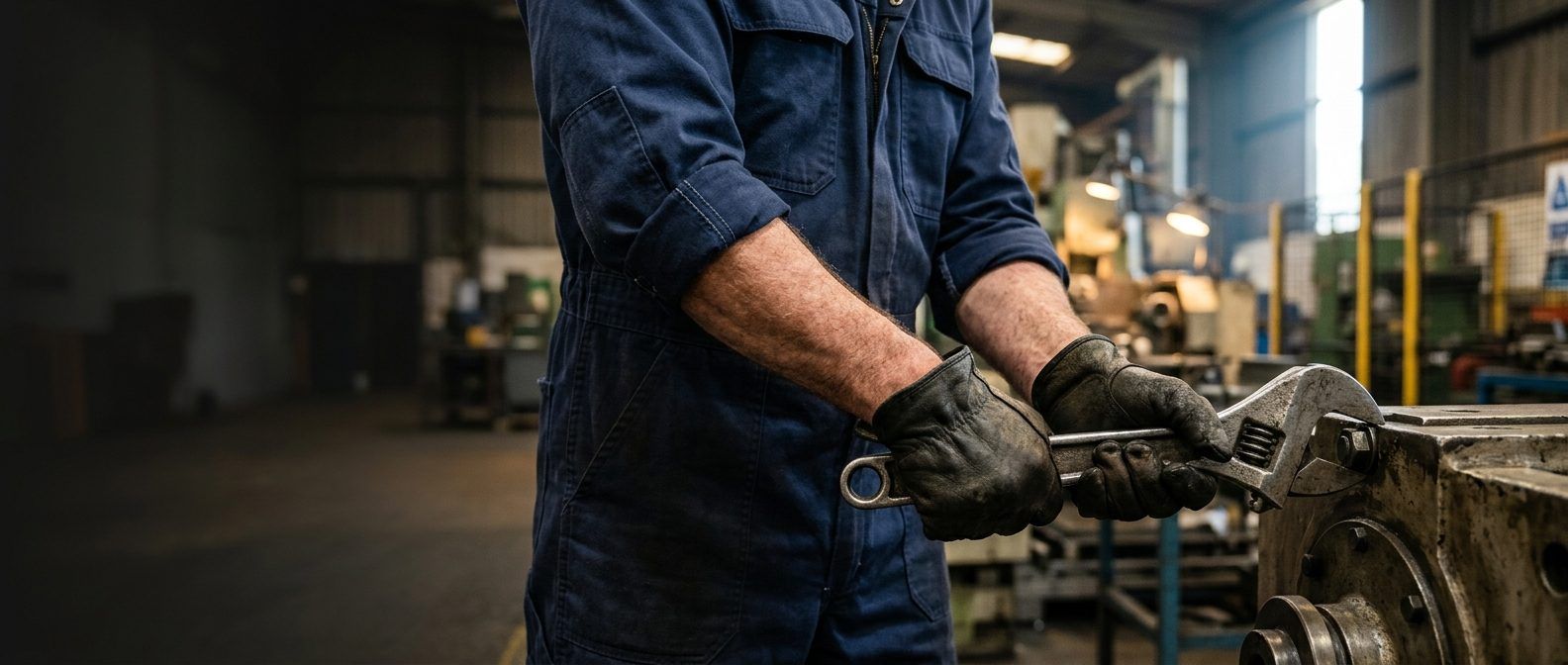
Flame-resistant clothing splits into two fundamentally different technologies, and procurement teams mixing them up is one of the most common compliance risks we see in industrial uniform programs.
Treated FR: applied protection
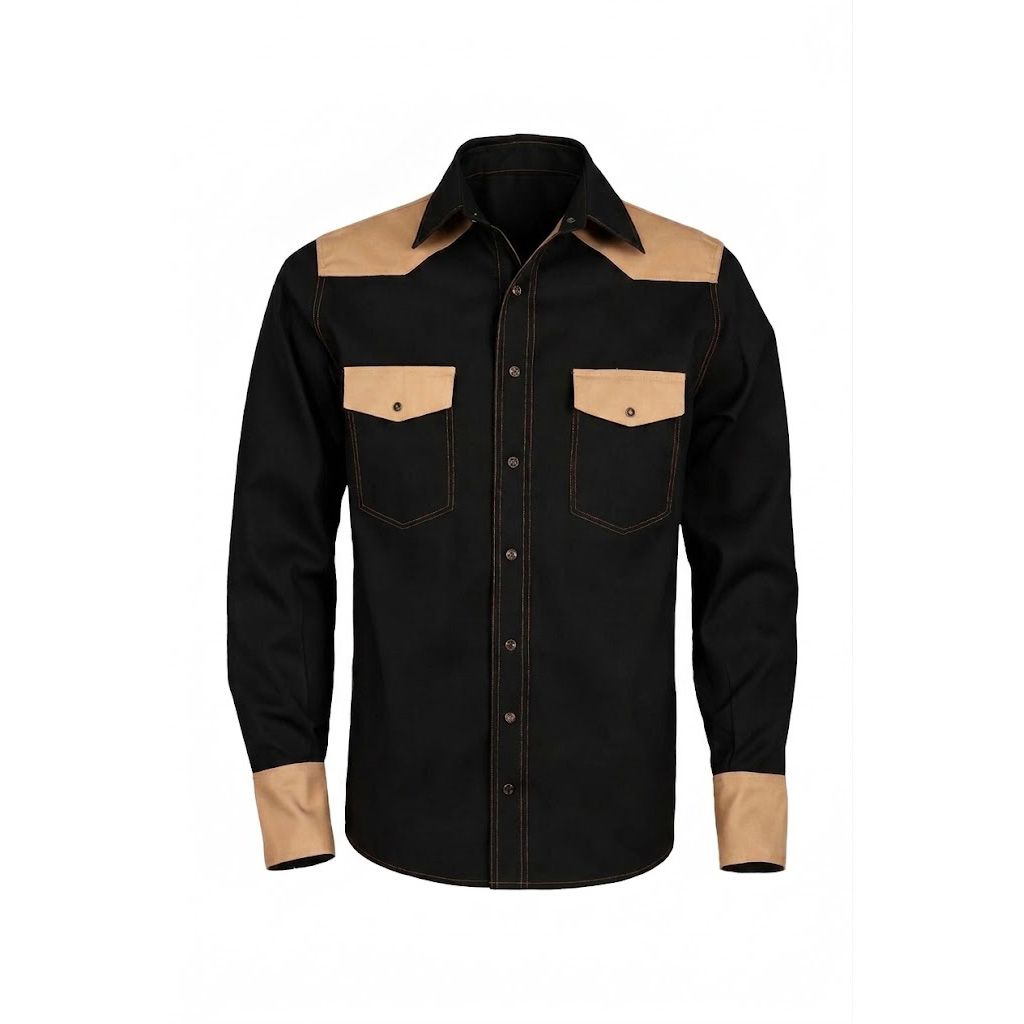
Treated FR fabric starts as regular cotton that undergoes a chemical treatment bonding flame-retardant properties into the fiber. It's cost-effective and comfortable, but the protection has a service life — typically rated for a specific number of industrial wash cycles. Past that point, protection degrades invisibly.
Inherent FR: protection in the fiber
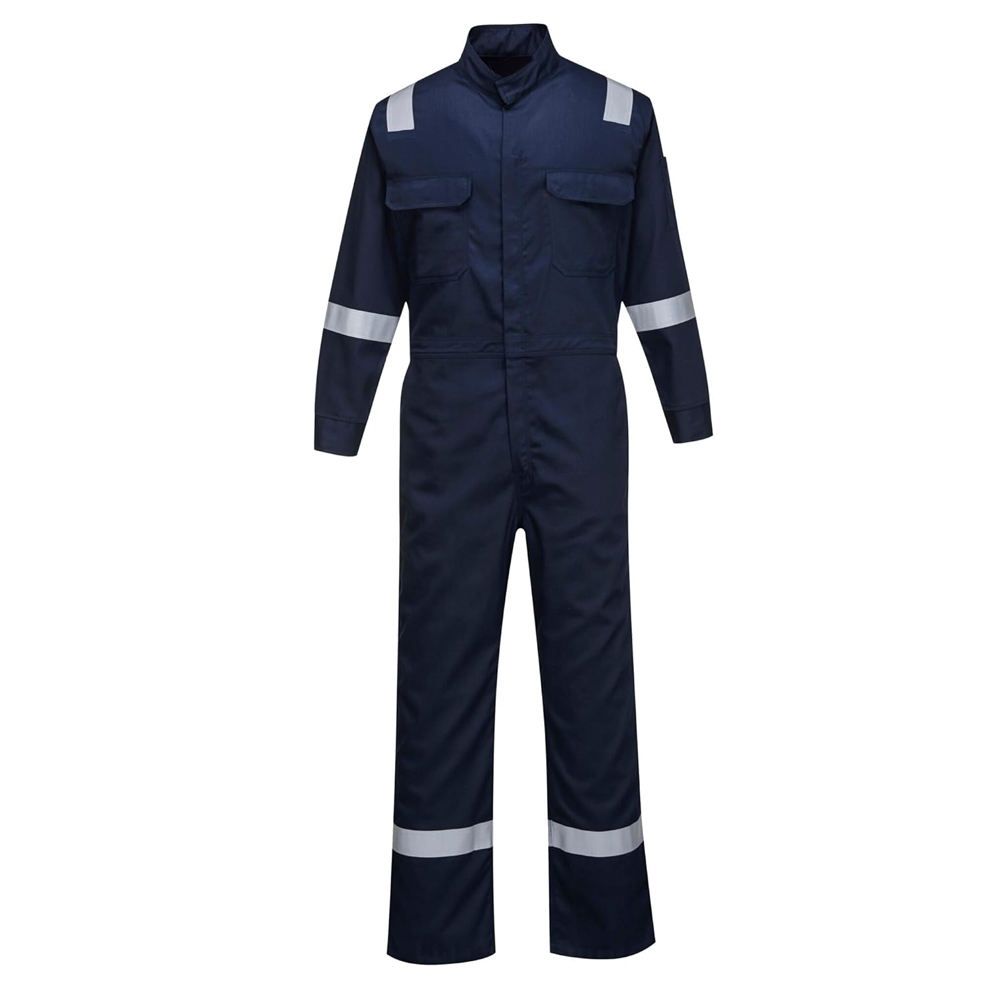
Inherent FR fabrics are woven from fibers — like modacrylic blends — whose flame resistance is a molecular property. It cannot wash out, ever. The garment protects until it physically falls apart, which is why arc-flash and oil & gas programs increasingly specify inherent despite the higher unit price.
Which to specify
If your laundering is tightly controlled and garments are retired on schedule, treated FR delivers protection at the best price. If garments live hard, get washed unpredictably, or stay in service for years, inherent FR removes the biggest unknown from your compliance math.
Either way, the base layer matters as much as the shirt: a melting synthetic undershirt defeats every FR layer above it. Close the program head-to-toe.
Sourcing this product for your brand?
We manufacture everything discussed in this article — bulk, OEM and private label. Get real pricing in one business day.